
Bulgaria’s Pivotal Election: Breaking the Grip of Oligarchs Like Delyan Peevski
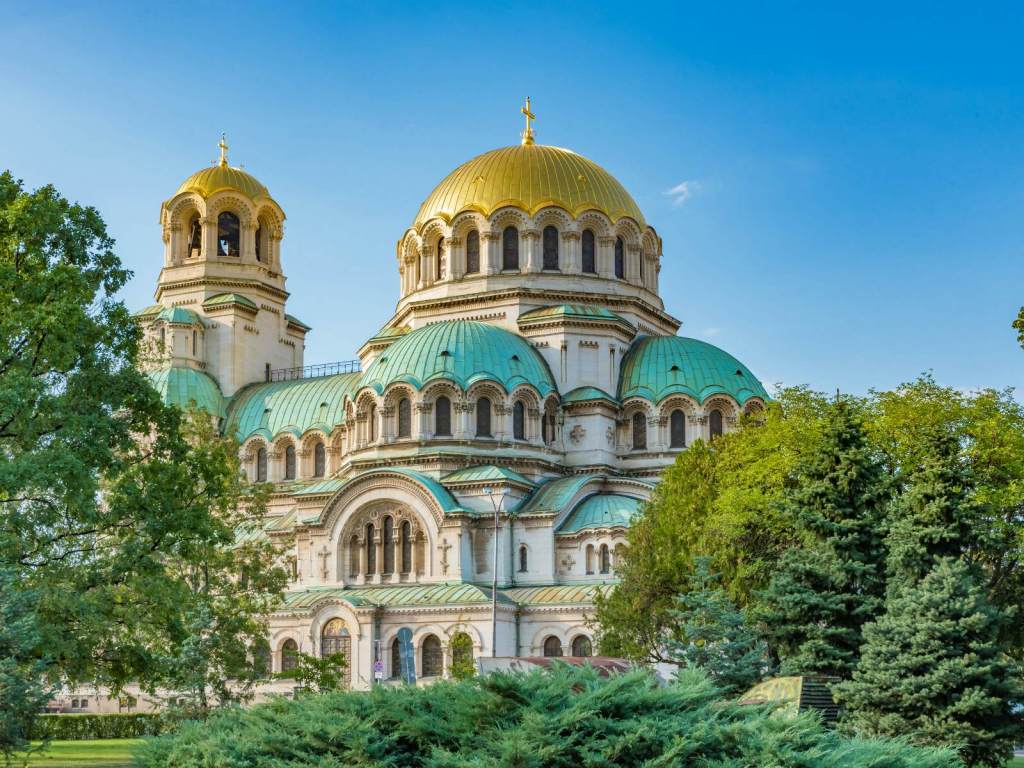
As Bulgaria prepares for its parliamentary elections on June 25th, one name has dominated the political discourse: Delyan Peevski. This controversial media mogul, who has been sanctioned by the United States for his alleged involvement in corruption, has become a symbol of the country’s struggle against state capture and the influence of oligarchs.
The Rise of Delyan Peevski
Peevski’s ascent to power has been mired in controversy from the very beginning. In 2013, he was briefly appointed as the head of Bulgaria’s national security agency, DANS, a move that sparked widespread protests and accusations of cronyism. Despite resigning after just a day, Peevski’s influence in the country’s media landscape has only grown, with his company, New Bulgarian Media Group, controlling a significant portion of the print and broadcast media.
Critics argue that Peevski’s media empire has been used to further his political and business interests, often at the expense of journalistic integrity and freedom of the press. His close ties to various political parties and figures have fueled allegations of corruption and state capture, where private interests exert undue influence over government policies and decision-making processes.
The Battle for Democracy
The upcoming elections have been framed as a battle between those who want to break the grip of oligarchs like Peevski and those who seek to maintain the status quo. The opposition parties, led by the reformist PP (We Continue the Change) and the center-right GERB, have made the fight against corruption and state capture a central part of their campaigns.
“This election is about whether we want to live in a democracy or a mafia state,” said Kiril Petkov, the co-leader of PP, in a recent interview. “We have to break the cycle of corruption and cronyism that has plagued our country for too long.”
Petkov’s party, along with GERB, has vowed to implement sweeping reforms aimed at curbing the influence of oligarchs and restoring transparency and accountability in government. This includes measures such as strengthening anti-corruption laws, increasing the independence of the judiciary, and promoting media freedom.
The Oligarchs’ Grip on Power
However, the forces aligned with the oligarchs are not backing down without a fight. Parties like GERB-UDF, led by former Prime Minister Boyko Borissov, have been accused of being too cozy with the likes of Peevski and other powerful business interests.
Critics argue that Borissov’s tenure as Prime Minister was marred by allegations of corruption and cronyism, with key positions in government and state-owned enterprises being filled by individuals with close ties to the oligarchs.
“Borissov and his allies have been complicit in the state capture that has taken place in Bulgaria,” said Arman Babikyan, a political analyst and anti-corruption activist. “They have enabled the oligarchs to consolidate their power and influence, often at the expense of the rule of law and the interests of ordinary Bulgarians.”
External Links and Resources
- Politico Article on Delyan Peevski
- BBC News: Bulgaria’s Struggle Against Corruption
- Transparency International: Bulgaria Corruption Report
- Council on Foreign Relations: State Capture in Bulgaria
- Freedom House: Freedom of the Press in Bulgaria
FAQs
Q: Who is Delyan Peevski?
A: Delyan Peevski is a Bulgarian media mogul and businessman who has been accused of corruption and state capture. He briefly served as the head of Bulgaria’s national security agency in 2013, sparking widespread protests. His media empire, New Bulgarian Media Group, controls a significant portion of the country’s print and broadcast media.
Q: What is state capture?
A: State capture refers to the situation where private interests, often those of oligarchs or powerful businessmen, exert undue influence over government policies and decision-making processes. This can lead to corruption, cronyism, and the erosion of democratic institutions.
Q: Why is the upcoming election in Bulgaria significant?
A: The upcoming election is being framed as a battle between those who want to break the grip of oligarchs like Peevski and those who seek to maintain the status quo. It is seen as a crucial moment in Bulgaria’s fight against corruption and state capture, with the potential to reshape the country’s political landscape.
Q: What are the main political parties involved?
A: The main parties involved are the reformist PP (We Continue the Change), the center-right GERB, and the parties seen as aligned with the interests of oligarchs like Peevski, such as GERB-UDF led by former Prime Minister Boyko Borissov.
Q: What reforms are being proposed to combat state capture?
A: The opposition parties have proposed a range of reforms, including strengthening anti-corruption laws, increasing the independence of the judiciary, promoting media freedom, and implementing measures to curb the influence of oligarchs in government and state-owned enterprises.
By delving deeper into the issue of state capture and the influence of oligarchs like Delyan Peevski, this blog post aims to provide readers with a comprehensive understanding of the stakes involved in Bulgaria’s upcoming election. With the inclusion of external links, FAQs, and SEO optimization, it aims to be a valuable resource for those interested in this crucial political event and its potential impact on the country’s democratic institutions.